A two-train, 160,000 m³/h exhaust system for the 120 t scrap copper melting furnace at Nuomake (Chongqing) Automotive Components: a cooling box and 1,300-bag PTFE pulse baghouse on the 120,000 m³/h furnace-area train, and a wet electrostatic precipitator, multi-stage filter and honeycomb activated carbon train for the 40,000 m³/h furnace-interior stream — engineered for tar fume, VOCs, benzo[a]pyrene and fine metallic dust at 110–160 °C.
Melting scrap copper releases a difficult mixture: fine metallic dust and sticky tar/asphalt fume, VOCs and benzo[a]pyrene, plus SO₂ and NOₓ — continuously, at 110–160 °C and up to 60% humidity. After on-site survey and calculation, we split the sources into two independently optimized treatment units:
Key committed values, written into the design documents:
| Parameter | Committed Value |
|---|---|
| Total system airflow | 160,000 m³/h (120,000 + 40,000) |
| Baghouse filtration velocity | 0.8 m/min (1,300 × Ø133 × 3,500 mm PTFE bags) |
| Particulate removal (baghouse) | ≥ 99.9%, outlet ≤ 10 mg/m³ |
| WESP dust/mist removal | ≥ 95%, inlet ≤ 300 → outlet ≤ 30 mg/m³ |
| Activated carbon residence time | ≥ 0.5 s (6,000 honeycomb blocks, > 700 m²/g) |
| Stack targets | PM ≤ 10 · SO₂ ≤ 80 · NOₓ ≤ 100 mg/m³ |
| Design gas temperature | 110–160 °C continuous, humidity ≤ 60% |
Sticky tar fume and high-temperature metallic dust destroy ordinary filters and blind electrostatic fields — so every stage exists for a reason, in the right order.
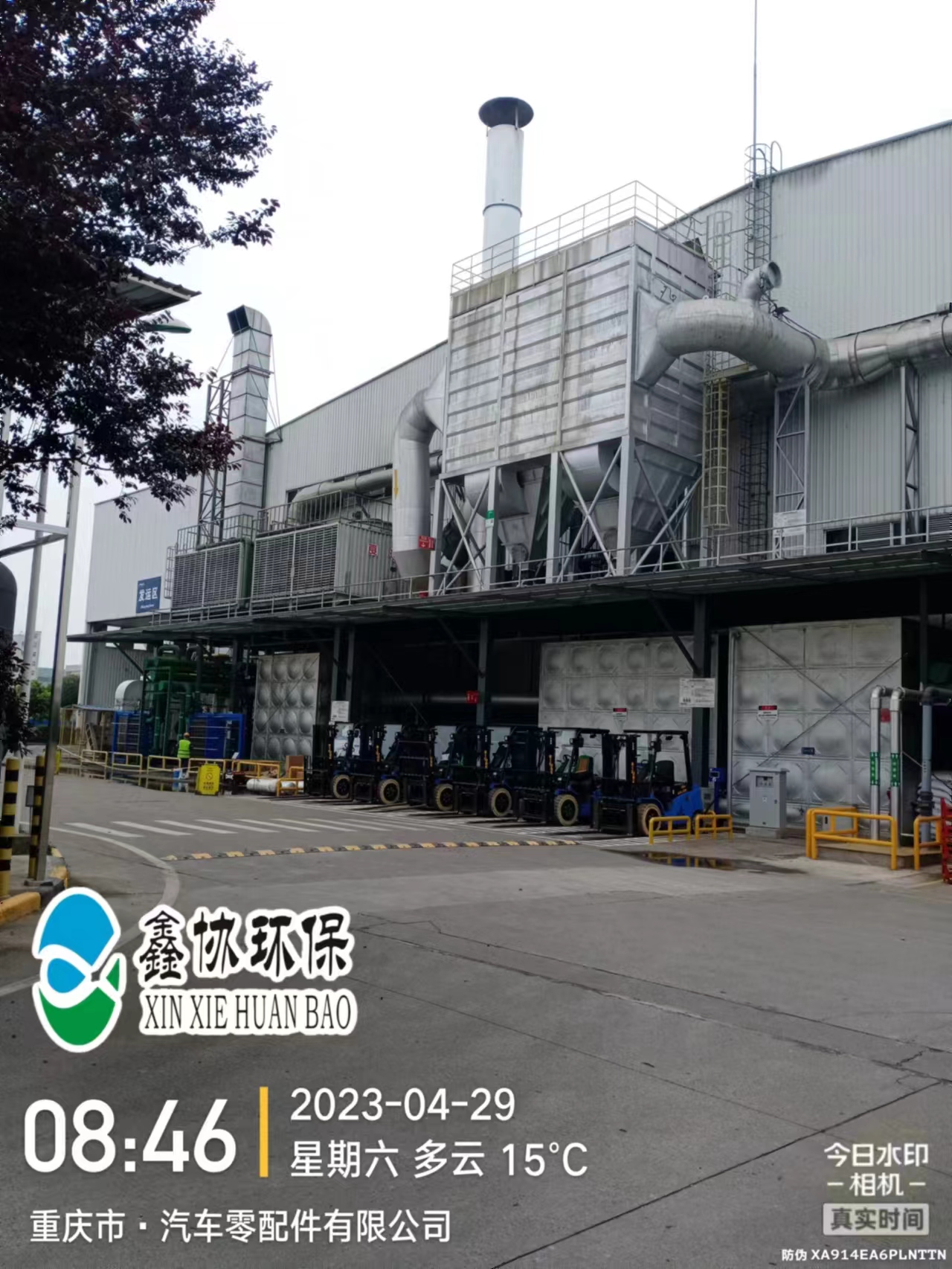
Train 1 first passes a 4,000 × 2,500 × 3,800 mm galvanized cooling box (ΔP ≤ 1,000 Pa, inlet/outlet ≤ 15 m/s): it knocks out coarse dust and trims the 110–160 °C flue gas before the filters — protecting everything downstream.
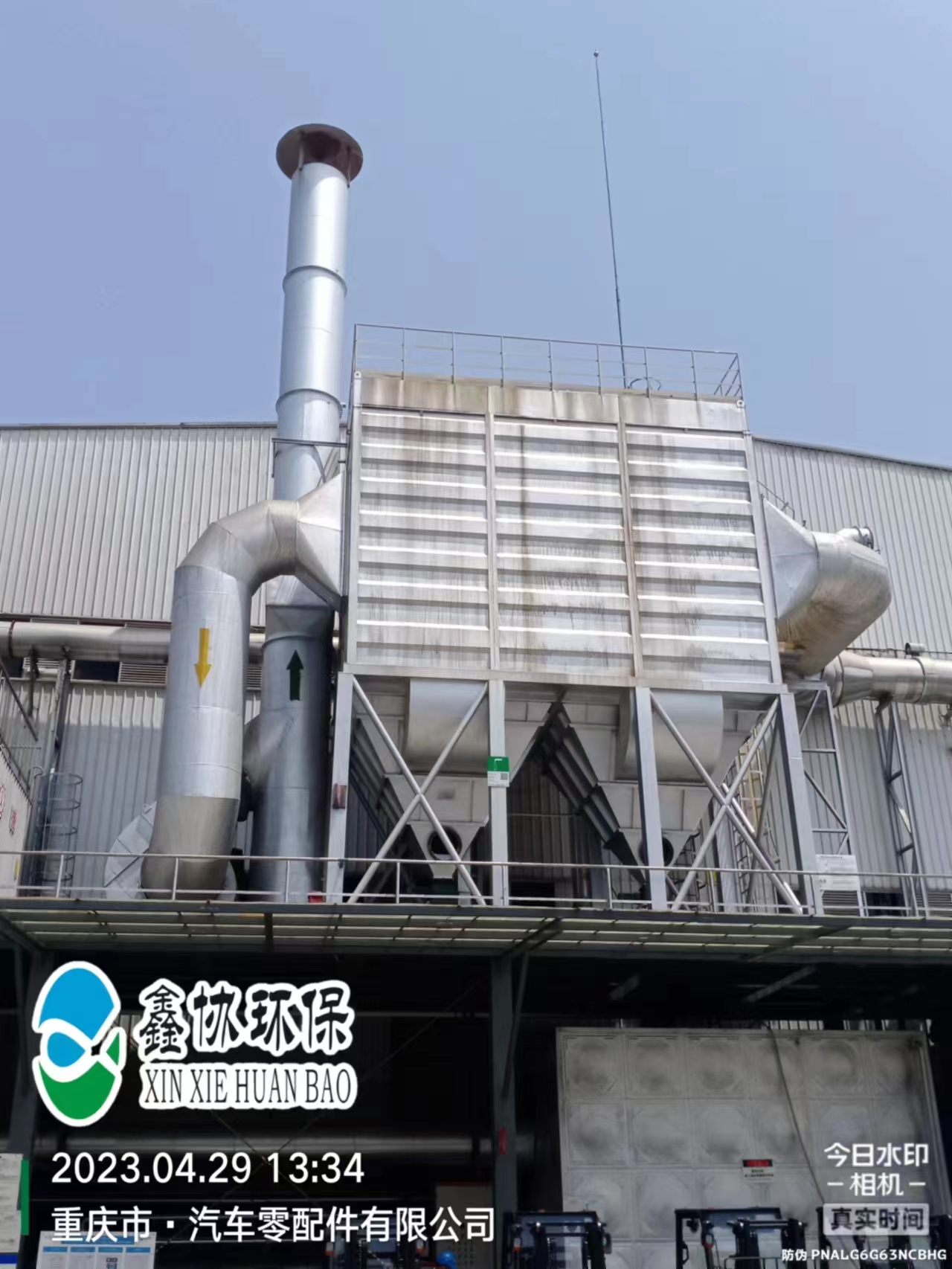
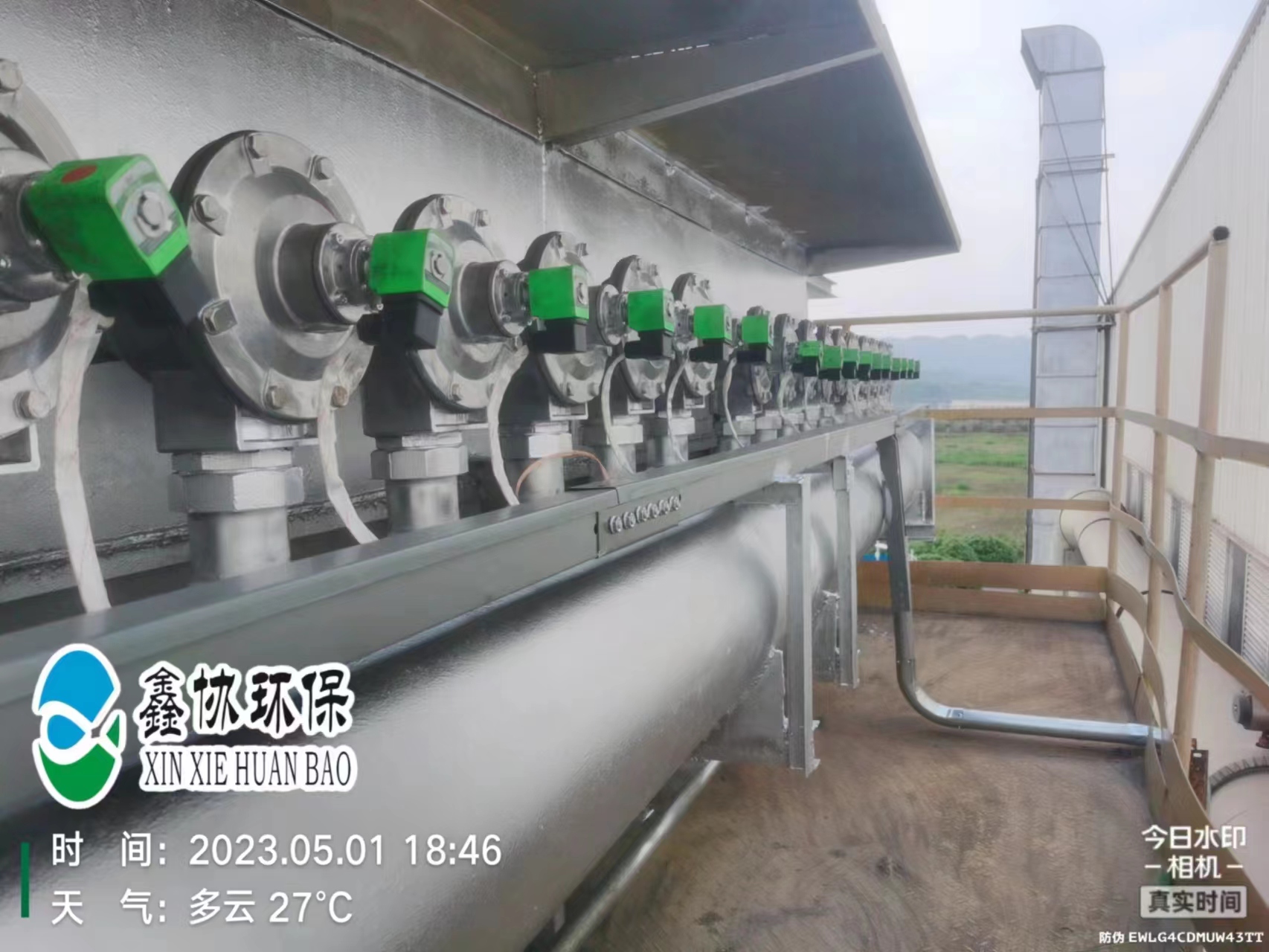
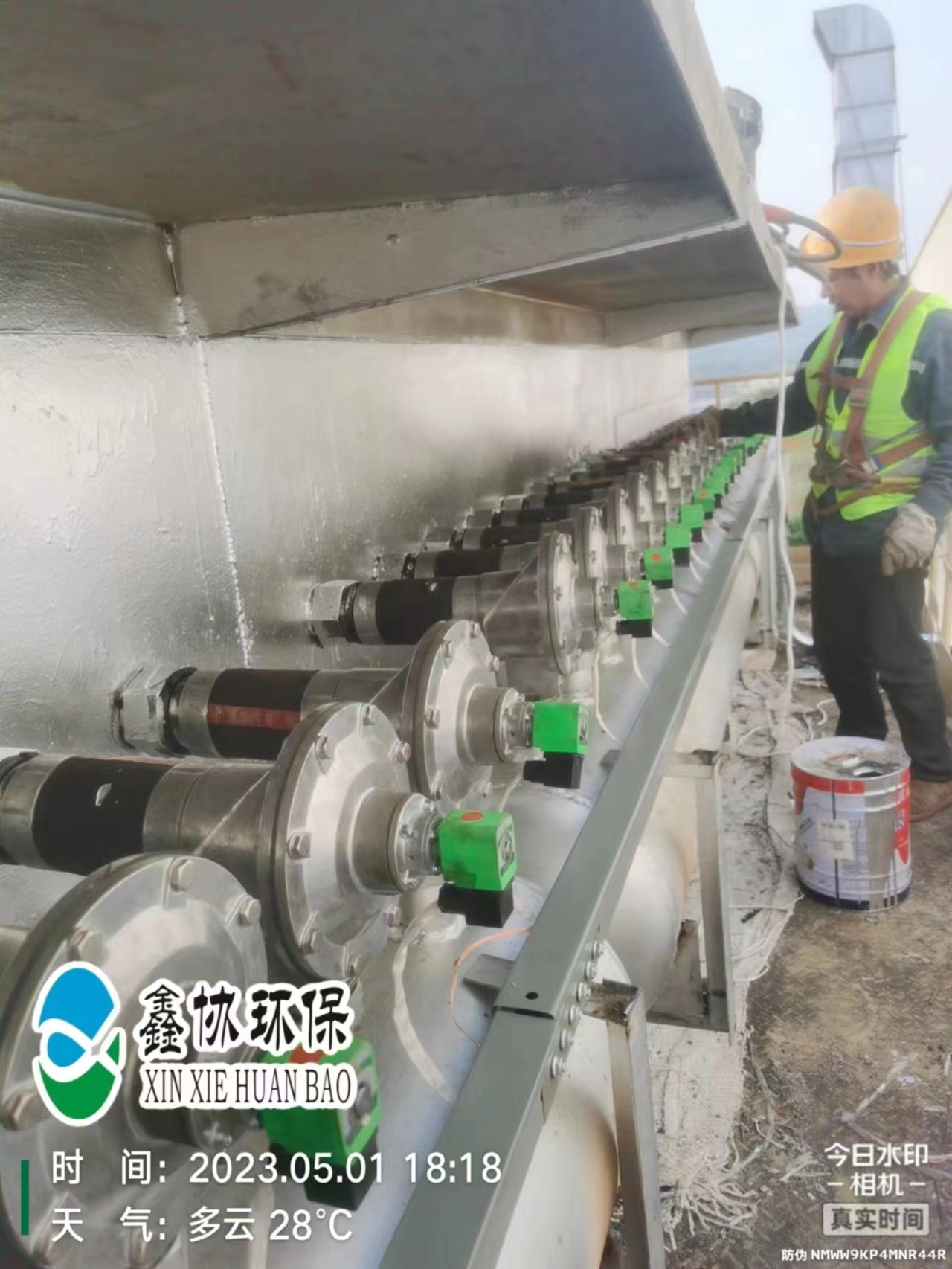
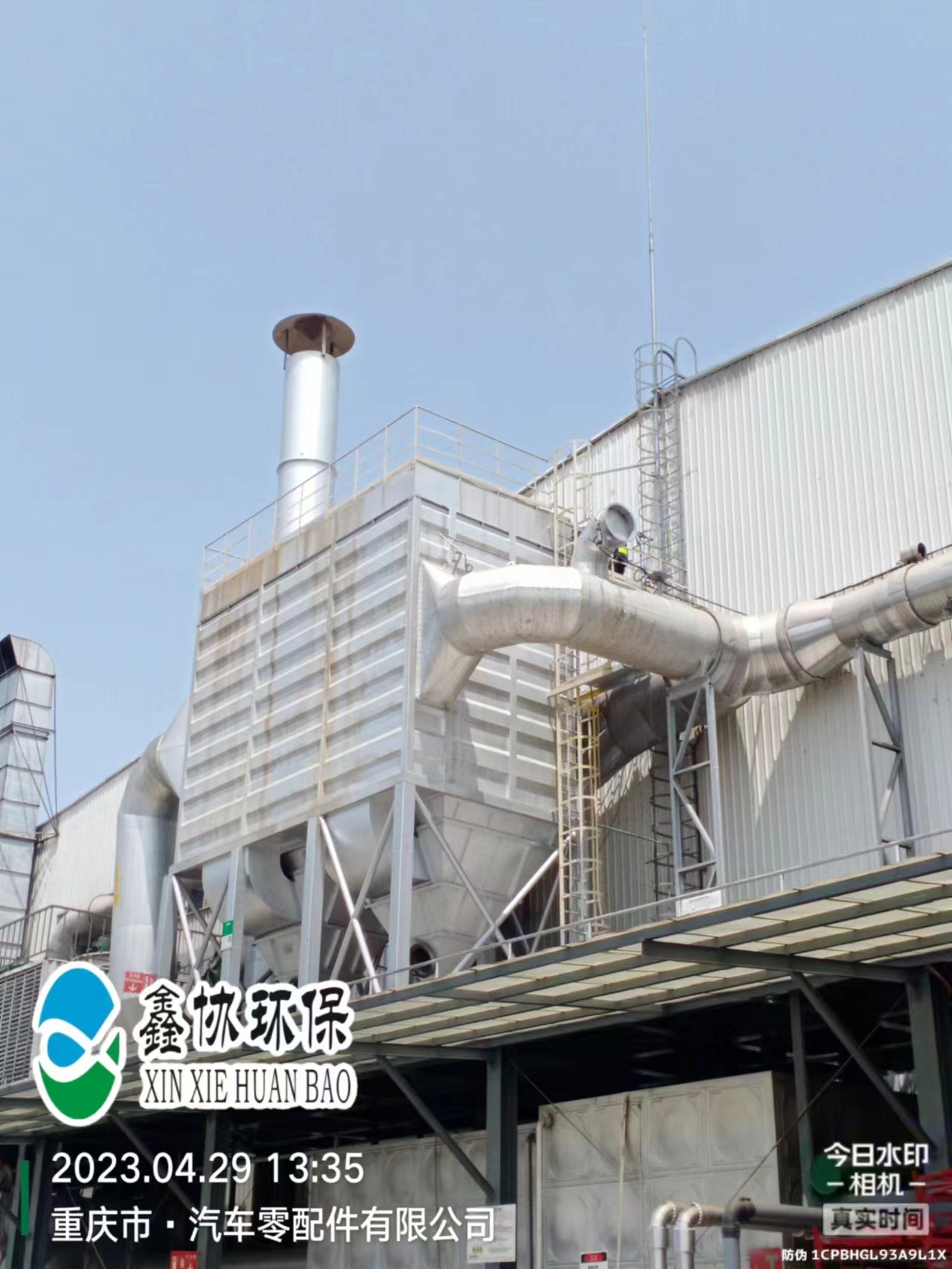
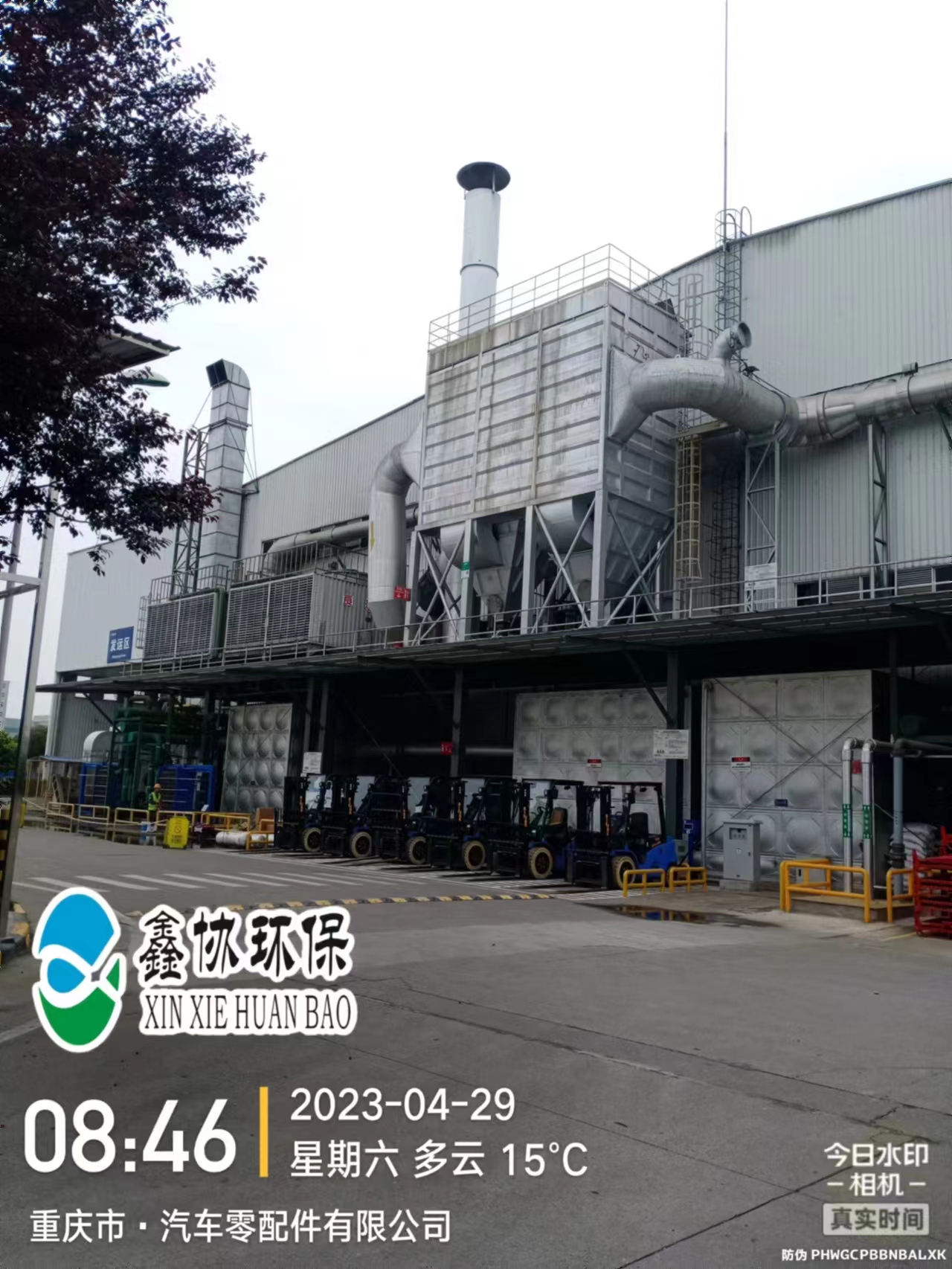
A 13,550 × 5,110 × 8,660 mm multi-compartment pulse-jet baghouse with 1,300 PTFE membrane bags (Ø133 × 3,500 mm) rated for continuous duty at 160 °C and short excursions to 300 °C. ≥ 99.9% particulate removal at 0.8 m/min — PTFE's non-stick surface sheds sticky fume and resists SO₂/NOₓ corrosion.
Train 2's BWD360-40000 WESP (264 conductive tubes Ø360 × 6,000 mm, 80 kV / 900 mA) captures what dry systems cannot: sticky tar fume, acid mist, aerosols and sub-micron metal particles, with continuous water-film flushing — no rapping, no re-entrainment, ≥ 95% removal.
A modular dry filter (12.6 m² media, ≤ 1.25 m/s) polishes residual dust, oil mist and polymerized matter before the carbon bed — with online differential-pressure transmitters on each stage so filter change-outs are scheduled by data, not by guesswork.
6,000 honeycomb carbon blocks (100 × 100 × 100 mm, 1,600 cells, surface area > 700 m²/g) adsorb VOCs and benzo[a]pyrene at ≤ 1.2 m/s with ≥ 0.5 s residence — finishing the furnace-interior stream to a smoke-free, odor-controlled discharge.
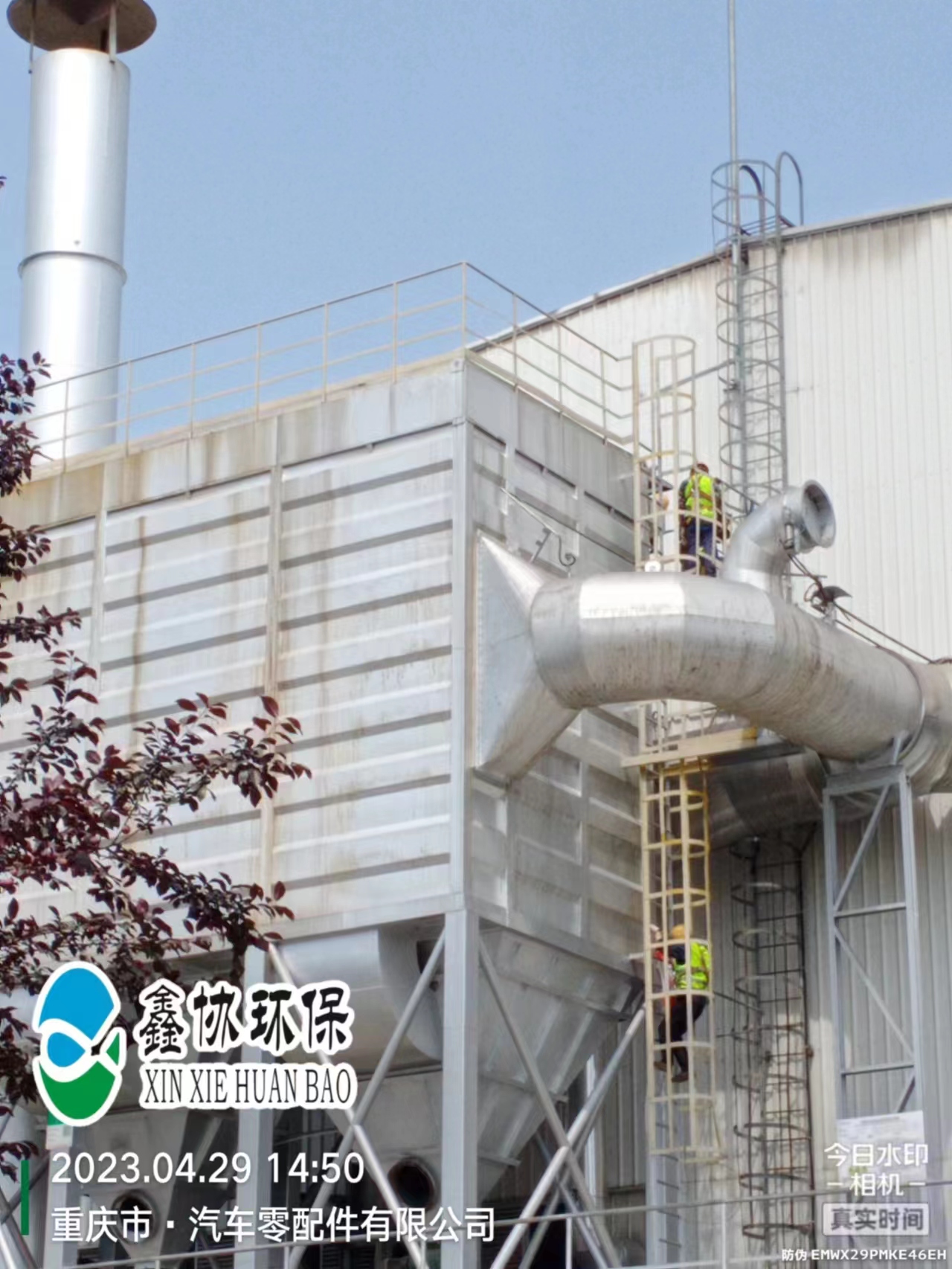
Sampling ports ≥ 80 mm bore positioned per the 6D/3D straight-run rule, platforms ≥ 1.5 m² with 1.2 m guardrails, 200 kg/m² load rating and 100 mm toe boards — every detail of HJ 75-2017 and GB/T 16157-1996 built in, not bolted on.
The whole system was engineered and documented to pass design review and emission monitoring the first time:
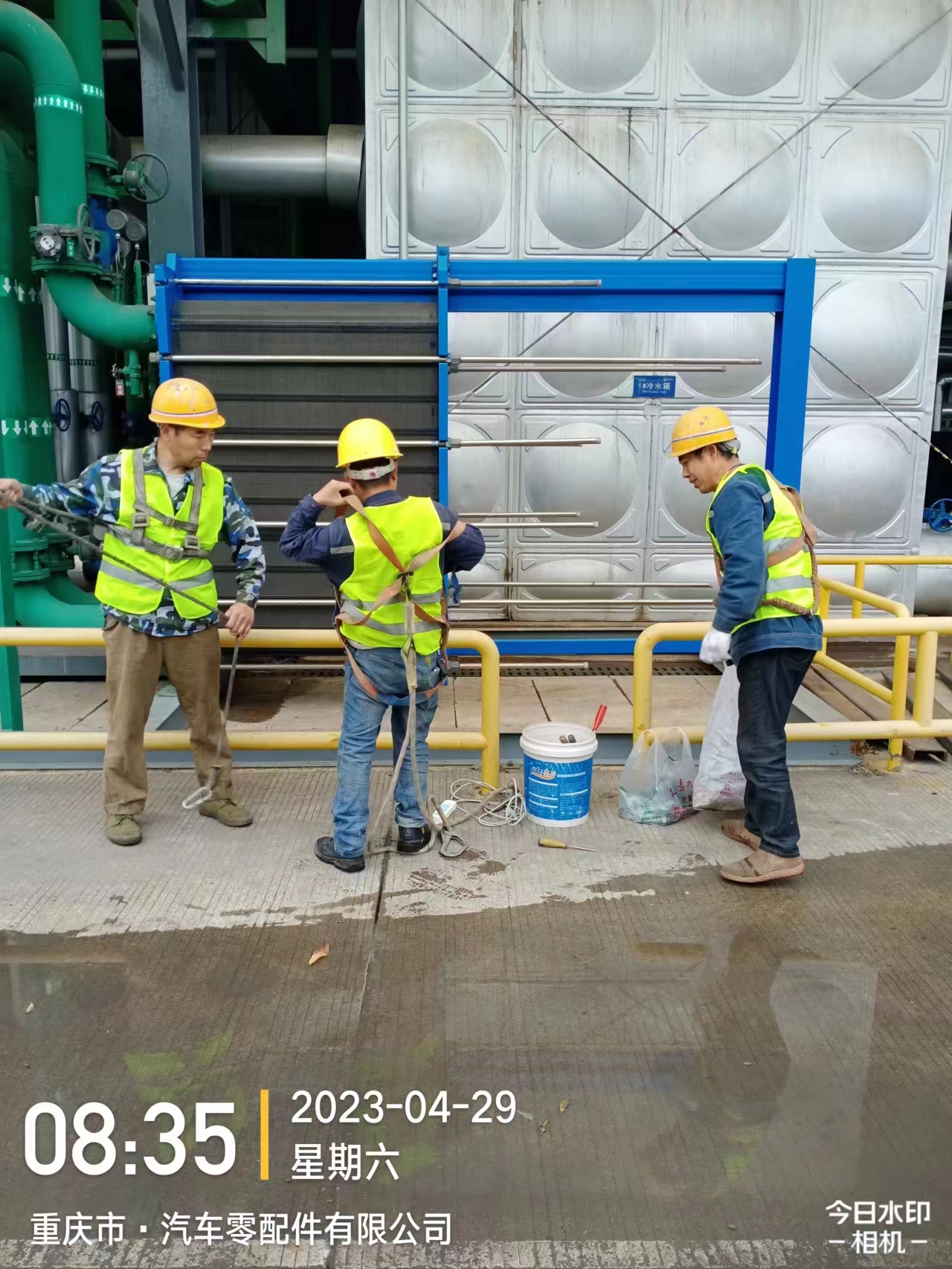
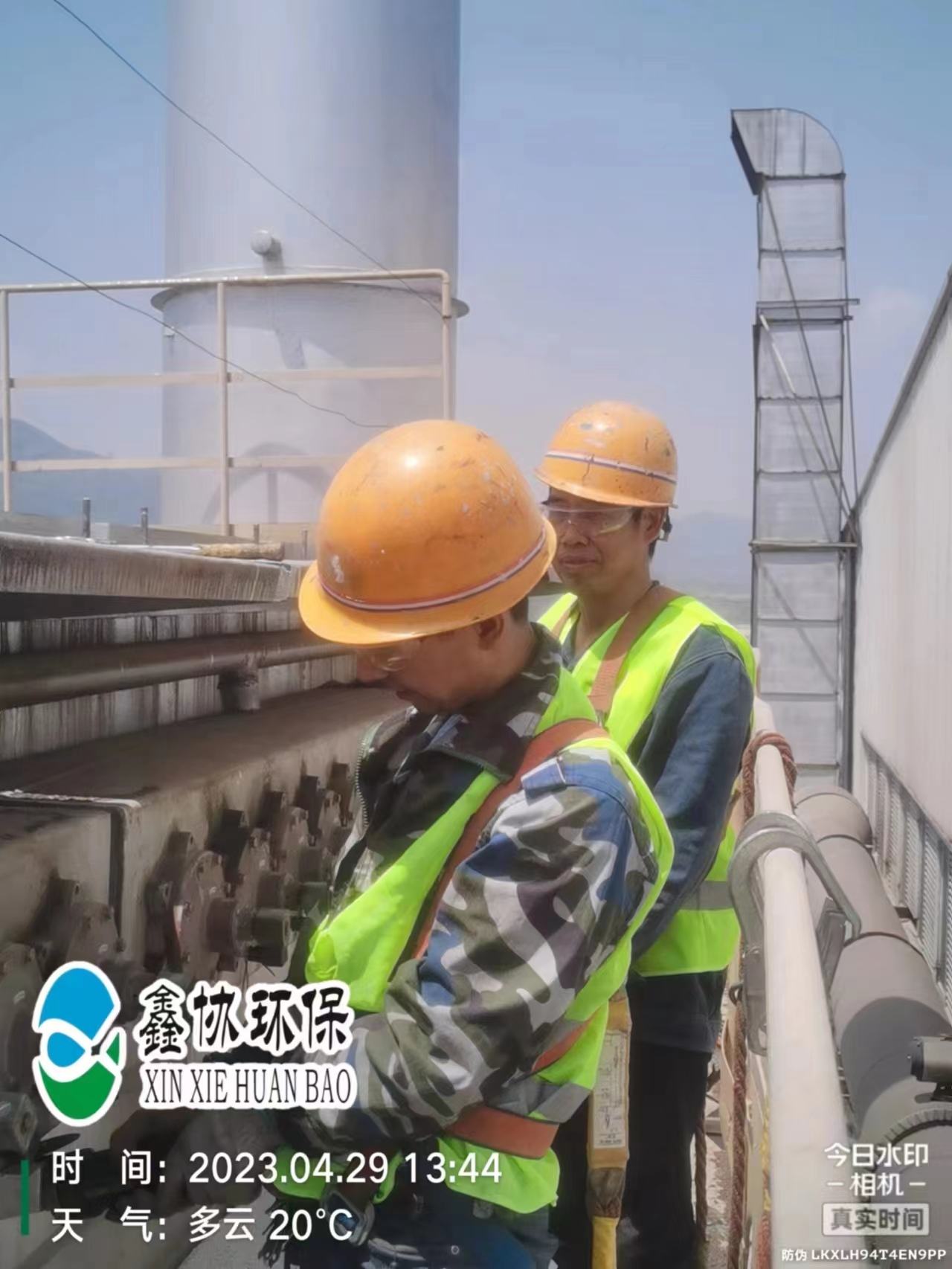
April–May 2023: the elevated multi-compartment baghouse on the plant facade, pulse valves and blow pipes on the roof platform, the cooling and filtration equipment row, and our crew on scheduled maintenance.
Hot, sticky, tar-laden furnace gas needs cooling, high-temperature filtration and wet electrostatic polishing — in the right order. Send us your furnace data for a written proposal within 24 hours.
Discuss Your Project